






Ecommerce Link Building: Backlinks for Online Shops
New: connect Claude, Codex or Cursor to SEO Backlinks. Order and track campaigns from your AI assistant.Set up the MCP server
Ecommerce link building

Ecommerce link building for online shops

Ecommerce link building gets news and trade sites to link to your shop, including the category pages that sell. We do it with stories about prices, trends and shopping seasons, pitched to UK journalists.

  • Stories, not coupon sitesJournalists link because the story needs it.
  • Planned around pages that sellEach story starts from the pages you send.
  • 10 or 20 placementsFrom £375 each, with a 45-day target.
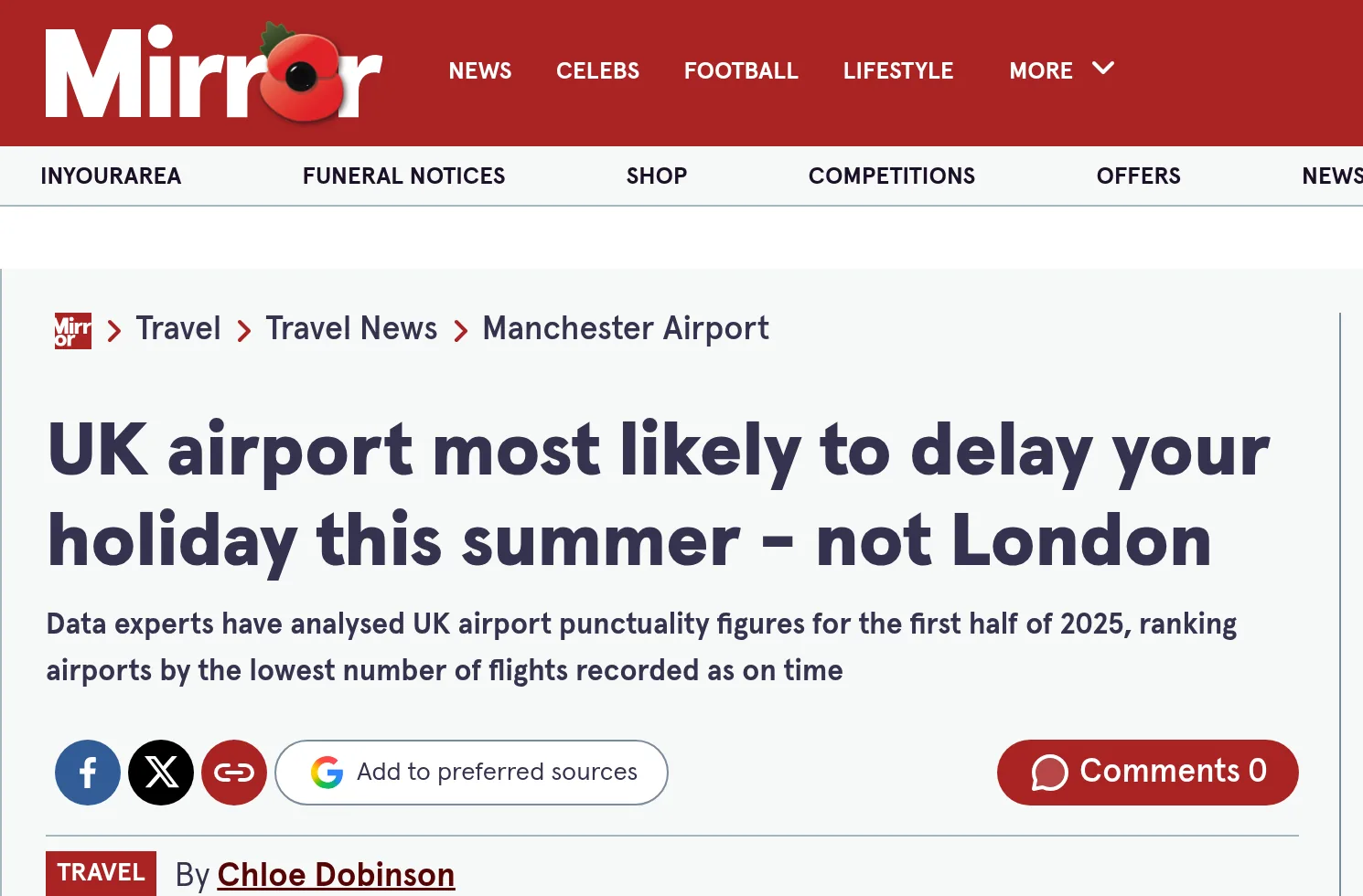
Daily Mirror article on the UK airport most likely to delay your holiday
Daily Mirror, June 2026. Our own study, also covered by the Daily Express.
Recent coverage in
What you get

What an ecommerce campaign includes

You tell us which category, product or guide pages matter most. We do the rest.

  • Price and trend stories

    How prices in your range have moved, or what shoppers are searching for.

  • Seasonal stories

    Pitched ahead of Black Friday, Christmas and the summer sales.

  • Buying advice

    Expert tips that shopping and money writers can quote.

  • Your own figures, if you want

    Sales or search data makes a story no rival can copy. It's optional.

  • Pitches to the right writers

    Consumer, money and trade journalists who cover your range.

  • Every link reported

    With the page it points to, in your report.

Plans and prices

What ecommerce link building costs

The same two plans as every campaign. Pay once per campaign, or monthly if you prefer.

  • Growth: 10 placements for £4,500 (£450 each)
  • Scale: 20 placements for £7,500 (£375 each)
  • 45-day target for each campaign
  • No fixed-term contract

Scale

Twenty placements for a bigger programme.

£7500per campaign
  • 20 editorial placements per batch (£375 each)
  • Coverage on news and industry sites with their own readers
  • 45-day target for each batch
  • Live dashboard access
  • Pay once, or choose monthly billing
Start now
How it works

How an ecommerce campaign runs

  1. You pick the pages

    The category, product or guide pages you want to rank.

  2. We pick the hook

    A price story, buying advice or a seasonal angle.

  3. We pitch journalists

    Writers who cover shopping, money or your trade.

  4. Links go live

    Each one goes in your report with its target page.

Proof

Coverage from our campaigns

Price, money and seasonal stories from recent campaigns. None of them was for an online shop. Click any headline to read it.

More recent coverage

“The team have run our PR for the past three years and we've been featured in the Daily Mail, Forbes, the New York Post. Honestly, it feels like there isn't a publication this team can't get us on. Our domain authority and direct enquiries have climbed every single quarter we've been with them.”
Alex Dyer
Alex DyerFounder, Ski Famille

Every headline links to the live article. Publishers decide what they run, so we can't promise the same titles. See more coverage

Why shops struggle to get links to the pages that sell

The pages a shop most wants to rank are the pages journalists are least likely to link to. A guide is easy to cite. A "women's running shoes" category page isn't news.

Most link builders take the easy route. In BuzzStream's State of Link Building research, 68% of link builders focus on blog posts and only 41% try to earn links to product pages. So the blog collects links while the pages that make money get few.

Ecommerce link building closes that gap on purpose. A story earns the coverage, and the link points at the category or guide page that fits it best. Our digital PR backlinks page explains the method in full.

Which shop pages can earn links

Each type of page earns links in a different way, so a campaign plans for each one.

PageCan it earn links on its own?How to help it
HomepageYes, from press mentions of your brandRarely needs help, and rarely the page you need to rank
Category pagesHardly everEarn links to a story or guide, then link from it to the category
Product pagesSometimes, in gift guides and "best of" listsLink to them from the matching category page
Guides and blog postsYes, most easilyUse them to pass strength on to the pages that sell

The links between your own pages do the last part of the job. Internal links vs backlinks explains how they work together.

The shopping calendar journalists write to

Shopping and money desks plan their coverage around the same dates every year. A story that lands before they start writing has the best chance of running.

WhenWhat journalists are writingA story that fits
Valentine's DayGift ideas and what couples spendPrice changes on popular gifts in your range
Summer salesWhere the real bargains areWhich products in your range really dropped in price
Back to schoolWhat families will payThe cost of a school kit list, or how it has changed
Black FridayWhether deals are worth itHow to spot a fake discount, with tips from your team
ChristmasGift guides and present pricesBuying advice that points to your gift or category pages

Gift guides are planned weeks ahead, so the pitch has to arrive early. A guide is also the place where a link to a single product page reads naturally.

Coupon sites, paid reviews and other links to skip

Some ecommerce link tactics still get sold, and search engines have learned to ignore or penalise them. We don't use them.

  • Coupon and voucher sites. Easy to get and easy to spot. They can send some visitors, but at volume they make a shop's links look bought.
  • Paid links and hidden paid reviews. Paying for a link that passes ranking credit breaks Google's spam policies, and a paid review that isn't marked as paid carries the same risk.
  • Mass press releases. A release sent to every newsdesk at once rarely earns a link. Journalists treat it as noise.
  • Stunts that have nothing to do with what you sell. They can earn a homepage link and nothing for the pages that convert.

If press already mentions your shop without a link, it's worth asking the writer to add one. Our guide to buying backlinks safely covers the wider risks, and high authority backlinks explains what makes one link stronger than another.

When to fix your shop first

Links help a shop that already sells. They don't fix one that doesn't.

  • If you sell the same dropshipped range as a hundred other shops, there's little for a journalist to write about. Make your range or content different first.
  • If your product pages are thin, slow to load or have no reviews, sort those out before you pay for links.
  • If your margins can't support a campaign, one focused batch beats a thin spread over a year.

See how link building pricing works, compare our backlink packages, or browse all our services. To talk through which category pages to start with, book a call.

Our commitments

What we commit to, and what we don't

We commit to

  • The number of placements you paid for
  • Stories planned around the pages you send
  • No coupon sites, paid links or link networks
  • Every link and its target page in your report

We don't promise

  • A link to every product page
  • A named publication
  • That every link is followed
  • Rankings, traffic or sales
Questions

Questions about ecommerce link building

Something else? Ask us. We usually reply within one business day.

Book a call
What is ecommerce link building?

Ecommerce link building, or link building for ecommerce sites, is getting other websites to link to your online shop, including its category and product pages. We do it through digital PR: we pitch stories about your range to journalists, and the articles they publish link to your site.

What types of ecommerce link building are there?

The main types are news coverage from data stories, expert buying advice, gift guide features, guest posts, and directory or coupon listings. News coverage and expert advice earn links from sites people read. Coupon and directory links are easy to get but count for little.

What kind of backlinks help an ecommerce site rank?

Links from relevant sites with real readers, placed in an article for a reason. A shopping or money story in a national paper, or a trade title in your field, usually does more than many links from coupon or directory sites.

Why is it so hard to get links to category pages?

Because a category page isn't news. Journalists link to things that help their readers, like data or advice. In BuzzStream's research, 68% of link builders focus on blog posts and only 41% try for product pages. So we earn links to a story or guide and pass that strength on to the category page.

Can you get links to product pages?

Sometimes. Gift guides and 'best of' lists are where a product page is the natural link. More often the link goes to a guide or category page, which is usually the page that ranks for the bigger searches.

Are coupon and voucher site links worth it?

Rarely. They can send a few visitors, but they carry little weight for rankings, and lots of them make a shop's links look bought. A handful of news placements does more than a hundred coupon listings.

When should an online shop pitch seasonal stories?

Weeks before the date. Journalists plan Black Friday, Christmas, back-to-school and summer sale coverage in advance, so a price story or buying advice has to reach them before they start writing.

How do I get organic backlinks for my online shop?

Give journalists something to report. Fresh figures on prices or trends in your range, or clear advice for shoppers, both work. Then pitch it to the writers who cover that subject, one at a time.

What are the easiest links for an ecommerce site?

The easiest are links from people you already deal with, such as the brands you stock listing you as a stockist. They're worth having, but they rarely move a competitive search on their own. News coverage takes more work and counts for more.

Is digital PR better than guest posts for an online shop?

Usually, yes. In research published in January 2024, BuzzStream classed 85.3% of guest post sites as low quality, judged on their authority score and monthly visits. A shopping story in a national paper is worth more and reads as earned coverage.

How much does ecommerce link building cost?

It costs £4,500 for 10 placements or £7,500 for 20, which is £450 or £375 a placement. You pay once per campaign, or monthly if you prefer.

Will ecommerce link building increase my sales?

We can't promise that. Links can help the pages you send rank better over time, but sales also depend on your prices, product pages, reviews and checkout. We guarantee the number of placements, not rankings or revenue.

Get in touch

Tell us which pages you want to strengthen.

Send your website and the pages that matter most. We'll reply within one business day with the stories we'd pitch and the plan that fits. Use the form, email info@seobacklinks.co.uk, or book a call.

Book a call
Message sent.We'll get back to you within one business day.